- How are people getting retatrutide?
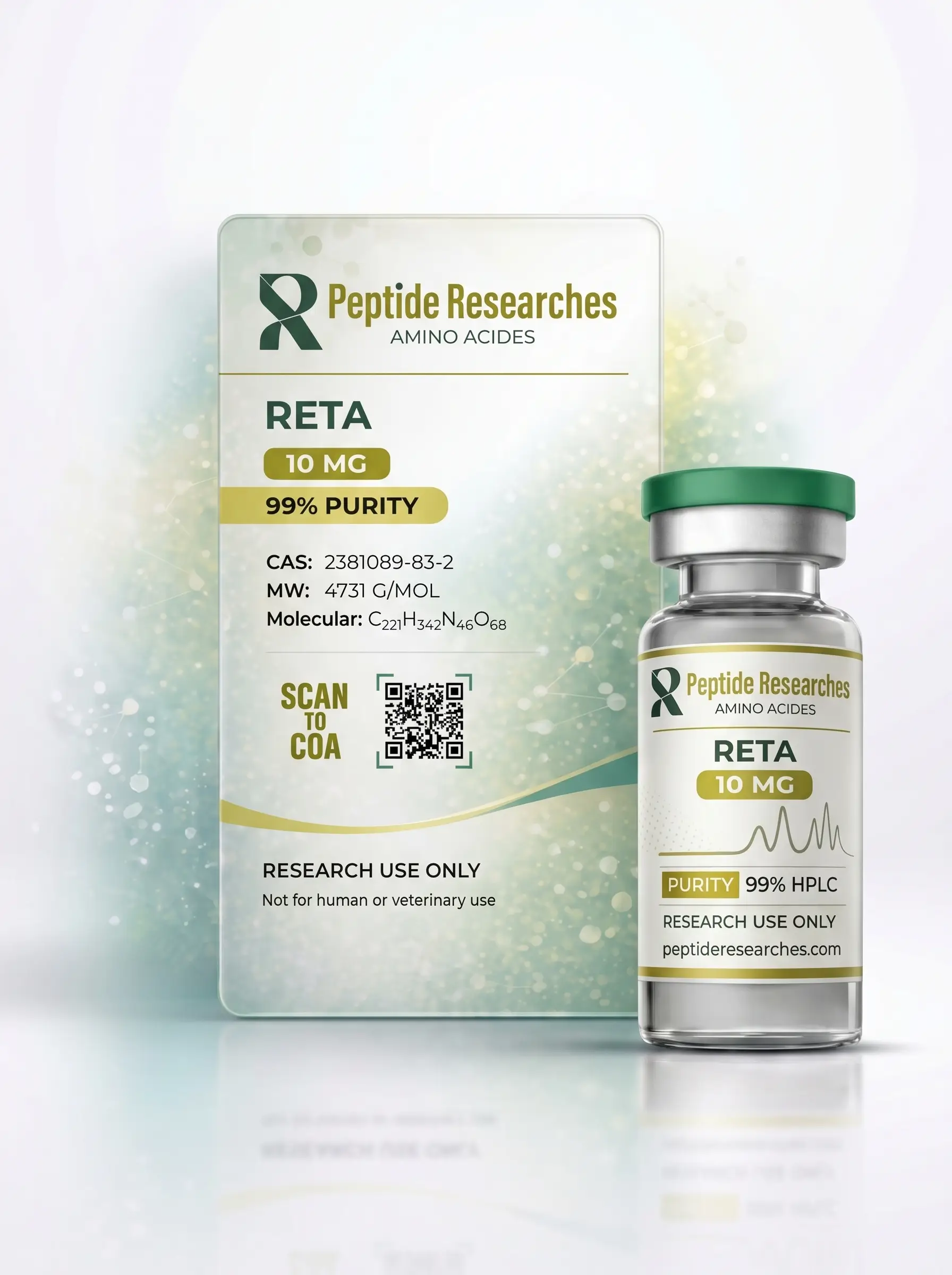
- Legally, people can get retatrutide only by enrolling in Lilly-sponsored clinical trials. Lilly says it is still investigational, has not been approved by any regulatory agency, and warns people not to use products sold online that claim to be retatrutide because of counterfeit and unsafe-product risks.
- Is retatrutide the same as Ozempic?
- No. Ozempic is semaglutide, an FDA-approved GLP-1 receptor agonist. Retatrutide is a different drug candidate that activates three receptors: GIP, GLP-1, and glucagon.
- What kind of drug is retatrutide?
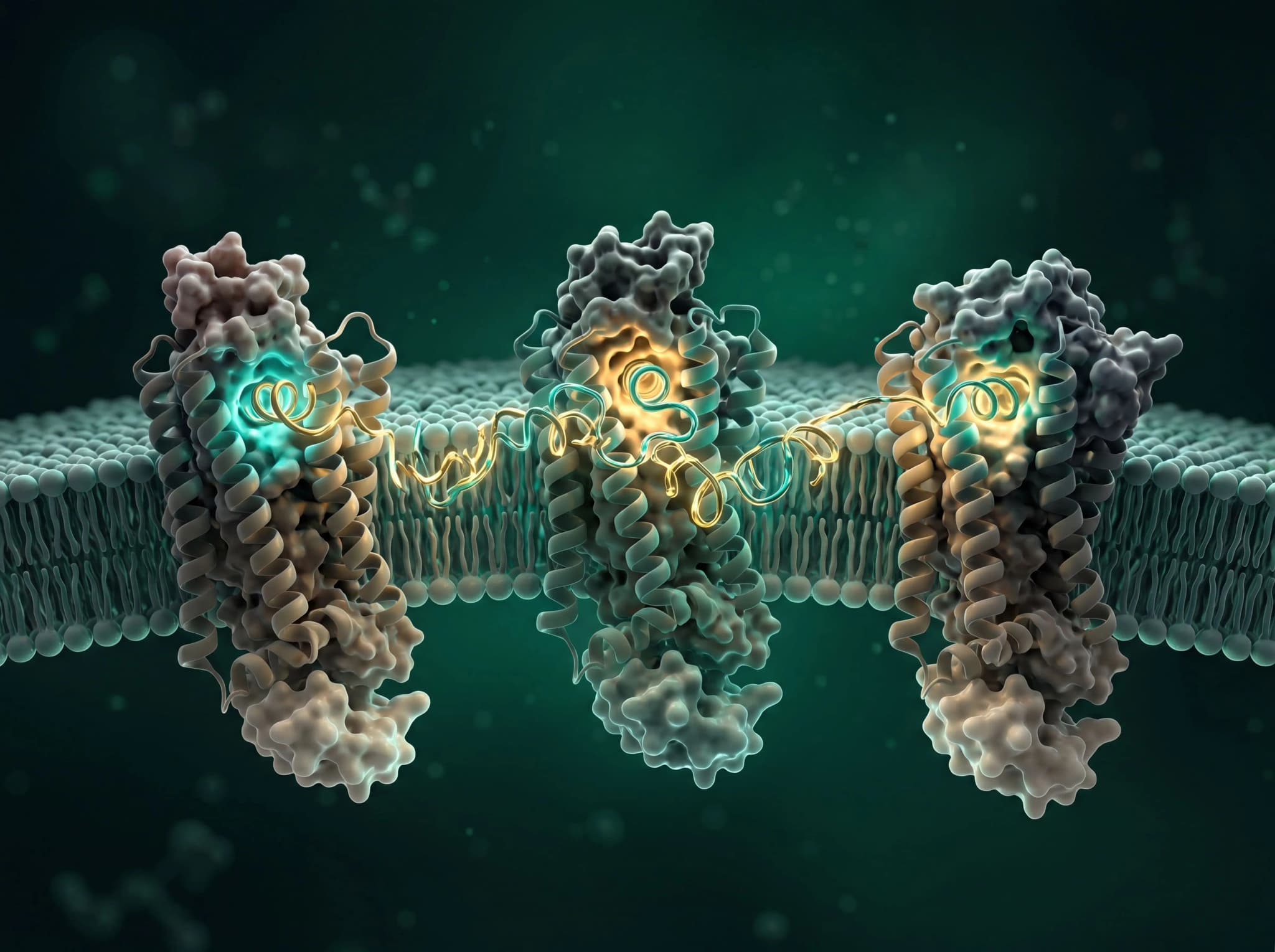
- It is an investigational once-weekly triple hormone receptor agonist, sometimes called a “triple agonist,” because it targets GIP, GLP-1, and glucagon receptors.
- Will I lose weight on retatrutide?
- In clinical trials, many participants did lose substantial weight, but it is not guaranteed for every person. In the 2023 phase 2 obesity trial, retatrutide produced substantial weight reduction over 48 weeks, and Lilly later reported positive phase 3 data as well. It is still investigational, so the full picture is still being studied.
- What are the risks of retatrutide?
- The main risks seen so far are gastrointestinal problems such as nausea, vomiting, diarrhea, and related stomach side effects. In the phase 2 trial, these were dose-related and mostly mild to moderate, but adverse events led some participants, especially at higher doses, to stop treatment. Because retatrutide is still under study, its full risk profile is not yet settled.
- Do people regain weight after Ozempic?
- Many people do regain weight after stopping semaglutide. In the STEP 1 extension, participants regained about 11.6 percentage points of lost weight within a year after stopping, which was roughly two-thirds of the weight they had lost on average. More recent reviews also report significant regain after discontinuation.