
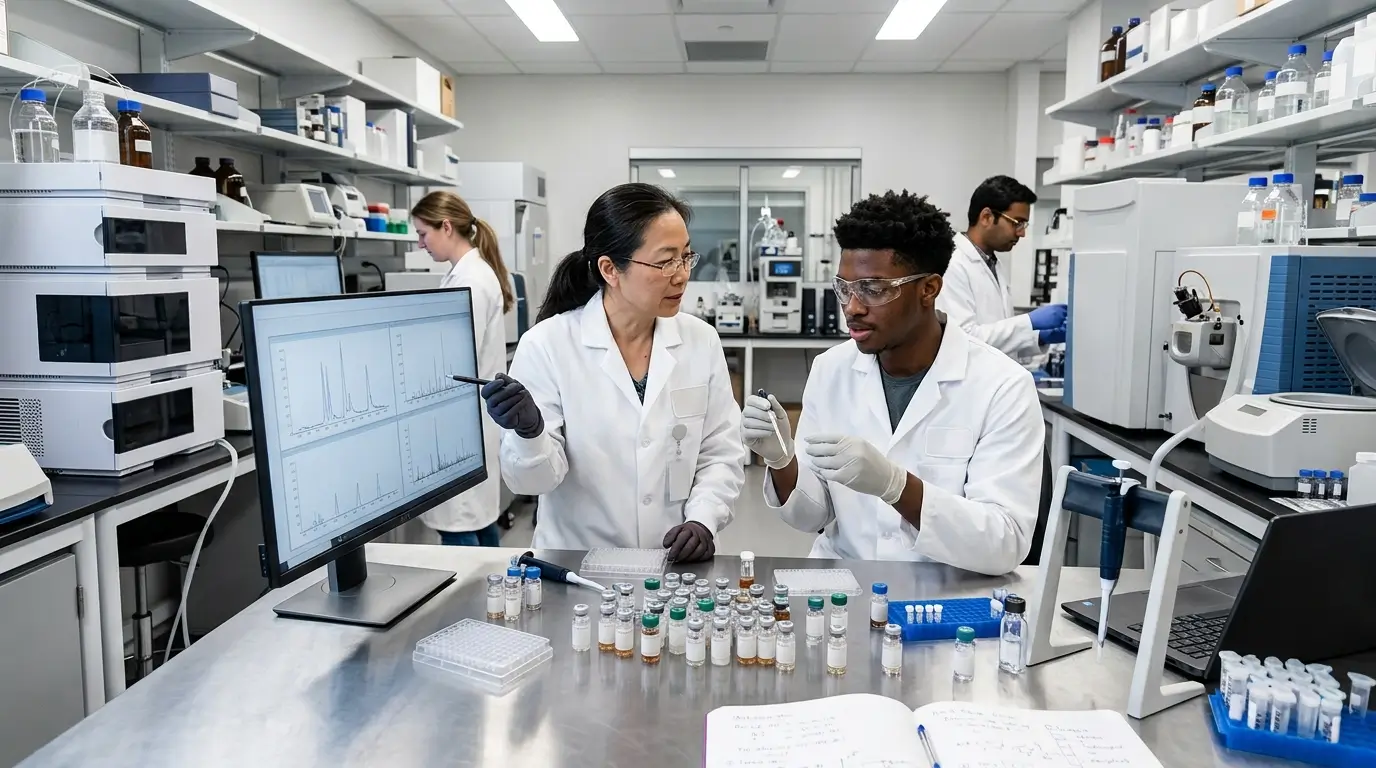
Comprehensive Overview of Evolving Peptides in Scientific Research
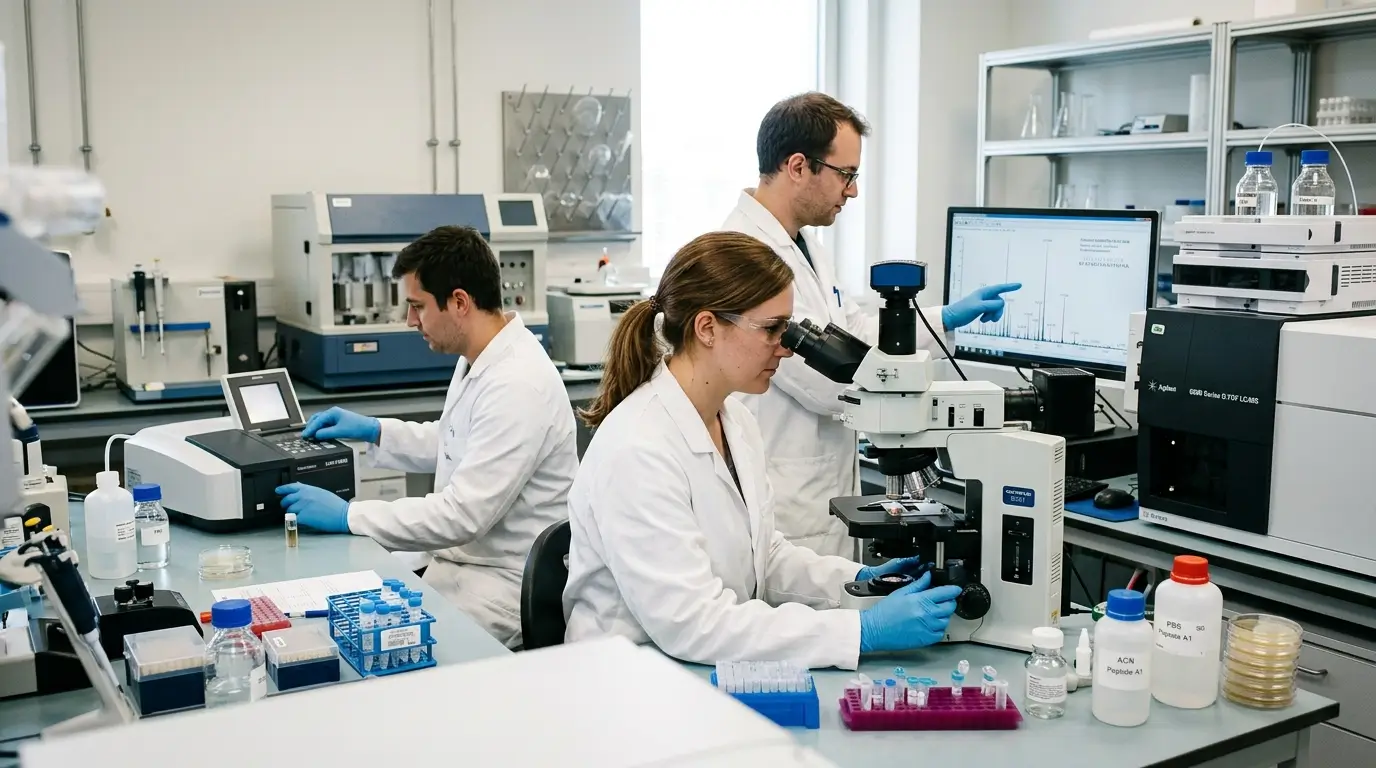
Evolve peptides are a central topic in modern laboratory science because they connect chemistry, biology, and analytical testing in a compact molecular format. These short chains of amino acids are investigated across many research settings, from receptor mapping to assay development. In addition, evolve peptides are often discussed within a research peptides catalog because their sequence, molecular weight of peptides, and purity profile can be documented with precision. For laboratory teams, that documentation supports reproducibility and clearer interpretation of experimental findings.
Scientific interest in evolve peptides has grown because peptides can be designed, modified, and analyzed with a high degree of control. However, their usefulness depends on careful handling, validated peptide synthesis techniques, and reliable analytical methods for peptides. Researchers therefore examine not only sequence identity but also peptide purity analysis, solubility behavior, and peptide storage conditions. As a result, evolve peptides are commonly framed as research tools rather than consumer products.
Understanding Peptide Basics
Peptides are molecules built from amino acids linked by peptide bonds. Generally, they are shorter than full proteins, although the exact cutoff can vary by field. Because their structures are smaller and more defined, peptides are often easier to synthesize and characterize than many larger biomolecules. Accordingly, evolve peptides are frequently selected for targeted laboratory peptide studies.
A peptide's behavior depends on several structural features. These include amino acid sequence, chain length, charge, hydrophobicity, and any terminal or side-chain modifications. For instance, a single substitution can alter binding affinity, stability, or chromatographic retention. In other words, small chemical changes can produce major differences in research observations.
Researchers often track a core set of peptide attributes when evaluating evolve peptides:
Sequence composition
Molecular weight of peptides
Peptide purity analysis results
Solubility in laboratory solvents
Stability under defined peptide storage conditions
Batch-specific analytical documentation
These features help scientists compare materials across experiments. Furthermore, they support quality control when peptides are used in screening assays or mechanistic studies.
The Significance of Peptides in Research and Development
Peptides occupy an important place in research because they can mimic short functional regions of proteins or act as selective binding probes. Consequently, they are widely used to study receptor interactions, enzyme substrates, signaling motifs, and structural recognition events. Evolve peptides are particularly relevant where investigators want a modular system that can be adjusted sequence by sequence. That flexibility makes them useful in iterative design programs.
In a research setting, peptides are valuable because they can be synthesized with defined sequences and then tested using standardized analytical methods for peptides. HPLC, mass spectrometry, and related platforms allow scientists to verify identity and examine degradation patterns. Moreover, peptide purity analysis helps determine whether observed effects arise from the intended sequence rather than from byproducts. This is especially important in preclinical peptide research, where experimental controls must be clear.
The table below summarizes why evolve peptides remain important in laboratory workflows:
Research factor | Why it matters |
|---|---|
Defined sequence | Supports reproducible experiments |
Adjustable chemistry | Enables rational design changes |
Analytical accessibility | Allows direct identity and purity checks |
Broad compatibility | Fits in biochemical and cell-based assays |
Small size | Simplifies many laboratory peptide studies |
As peptide science advances, evolve peptides continue to serve as adaptable models for hypothesis testing. Nevertheless, meaningful interpretation requires careful catalog review, rigorous storage practices, and transparent analytical records. For laboratory research use only. Not intended for use in humans or animals. Not intended to diagnose, treat, cure, or prevent any disease.
Diverse Classifications of Peptides
Evolve peptides can be classified in several ways, depending on the scientific question being asked. Some classifications focus on origin, while others emphasize structure, synthesis route, or laboratory purpose. Because peptide research spans multiple disciplines, the same sequence may fit more than one category. Therefore, a clear classification system helps researchers select appropriate materials and compare findings across studies.
A useful approach is to classify evolve peptides by research role, source, and variant design. This method aligns well with entries commonly found in a research peptides catalog. In addition, it supports better planning for laboratory peptide studies, especially when analytical methods for peptides differ by peptide class.
Research Peptides: A Detailed Insight
Research peptides are peptide materials supplied or prepared specifically for scientific investigation. They are generally characterized by sequence information, molecular weight of peptides, purity metrics, and handling notes. Unlike broad educational references, a research peptides catalog usually presents these details in a standardized format. Accordingly, evolve peptides in catalog settings are often grouped by target family, sequence motif, or experimental application.
These peptides may be used in binding studies, assay calibration, method development, or structure-function mapping. For example, one sequence may serve as a receptor-binding probe, while another may function as a substrate analog in enzyme research. However, the value of such tools depends on precise characterization. Researchers therefore review peptide purity analysis data and batch documentation before integrating materials into experimental workflows.
Common catalog descriptors include:
Sequence length
Net charge
Molecular weight of peptides
Purity percentage by HPLC
Salt form or counterion information
Recommended peptide storage conditions
These details allow scientists to compare evolve peptides in a consistent way. Furthermore, they support traceability across institutions and study phases.
Natural vs. Synthetic Peptides
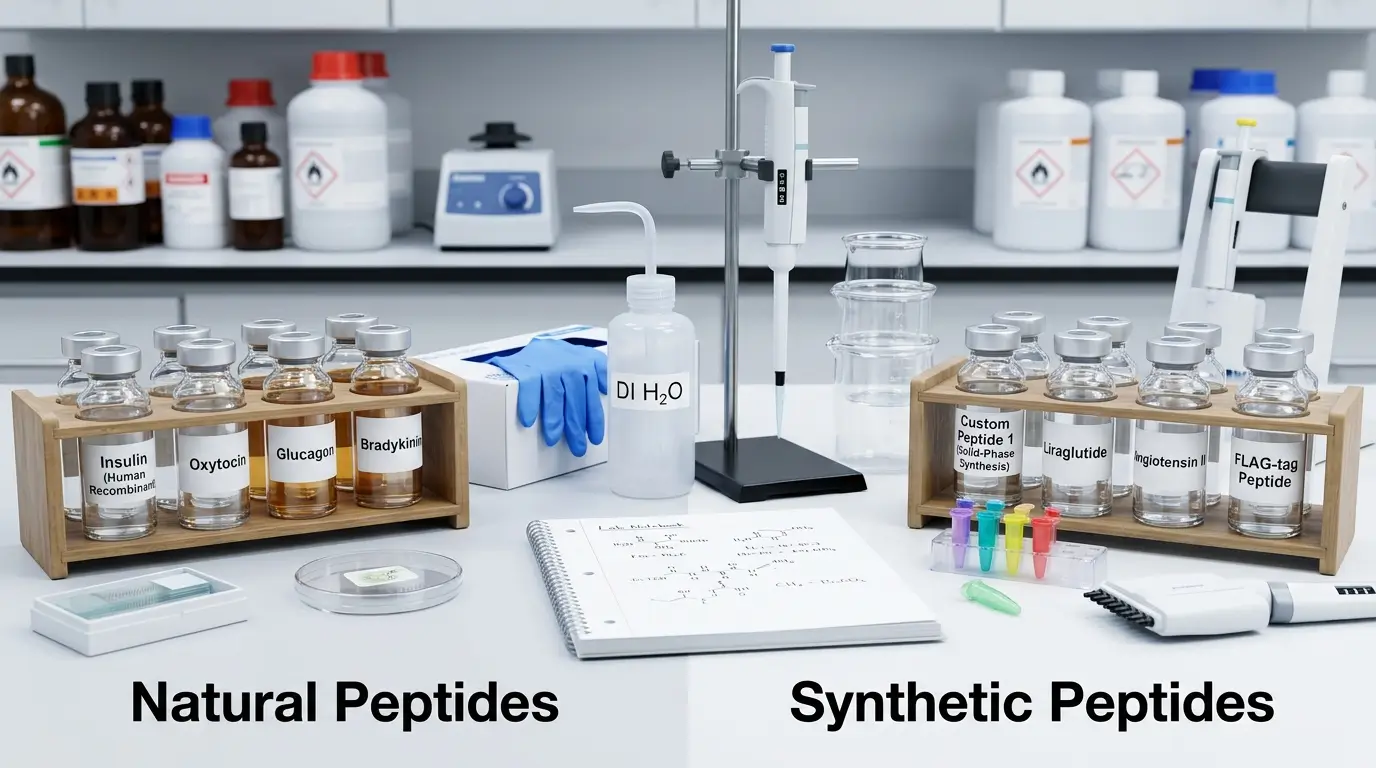
Natural peptides are produced by living systems and may be isolated from tissues, fluids, or microbial sources. Synthetic peptides, by contrast, are assembled through peptide synthesis techniques in controlled laboratory environments. Although natural peptides may reflect biologically occurring sequences, synthetic versions offer tighter control over composition and modification. As a result, synthetic evolve peptides are often preferred in laboratory peptide studies.
Natural peptides can present challenges related to extraction yield, stability, and impurity profiles. Synthetic peptides, meanwhile, can be tailored to include labels, non-natural residues, or terminal modifications. For instance, a researcher may add a fluorescent tag to track localization in vitro. Likewise, isotopic labeling can support mass spectrometry workflows.
The comparison below highlights key differences:
Feature | Natural peptides | Synthetic peptides |
|---|---|---|
Source | Biological extraction | Chemical synthesis |
Sequence control | Variable by source | High control |
Modification options | Limited | Extensive |
Scalability | Often constrained | More flexible |
Analytical consistency | Can vary | Usually easier to standardize |
Despite these differences, both categories can inform preclinical peptide research when used with proper controls. Nevertheless, synthetic evolve peptides dominate many modern studies because they fit iterative design and testing cycles.
Peptide Variants in Laboratory Settings
Laboratory work often relies on peptide variants rather than a single fixed sequence. These variants may include truncations, substitutions, cyclized forms, labeled analogs, or conjugated constructs. Because each version changes one or more molecular features, scientists can isolate which region of a peptide drives a particular interaction. In this way, evolve peptides become practical tools for mechanistic mapping.
Variant design is especially common in studies of binding specificity and stability. A truncated peptide may reveal the minimal active motif under investigation, while a substituted residue can test the role of charge or steric bulk. Moreover, cyclization may improve conformational rigidity for structural studies. Such modifications are central to peptide synthesis techniques aimed at refining experimental models.
Researchers often examine variants through a stepwise framework:
Parent sequence selection
Rational modification of one feature
Analytical confirmation of identity
Peptide purity analysis
Comparative assay testing
Stability review under peptide storage conditions
This process helps transform evolve peptides from simple sequences into structured research systems. Certainly, variant-based design also strengthens interpretation by linking observed behavior to defined molecular changes. Competitive sport organizations may restrict certain substances. Users are responsible for checking applicable rules.
Analytical Techniques in Peptide Research
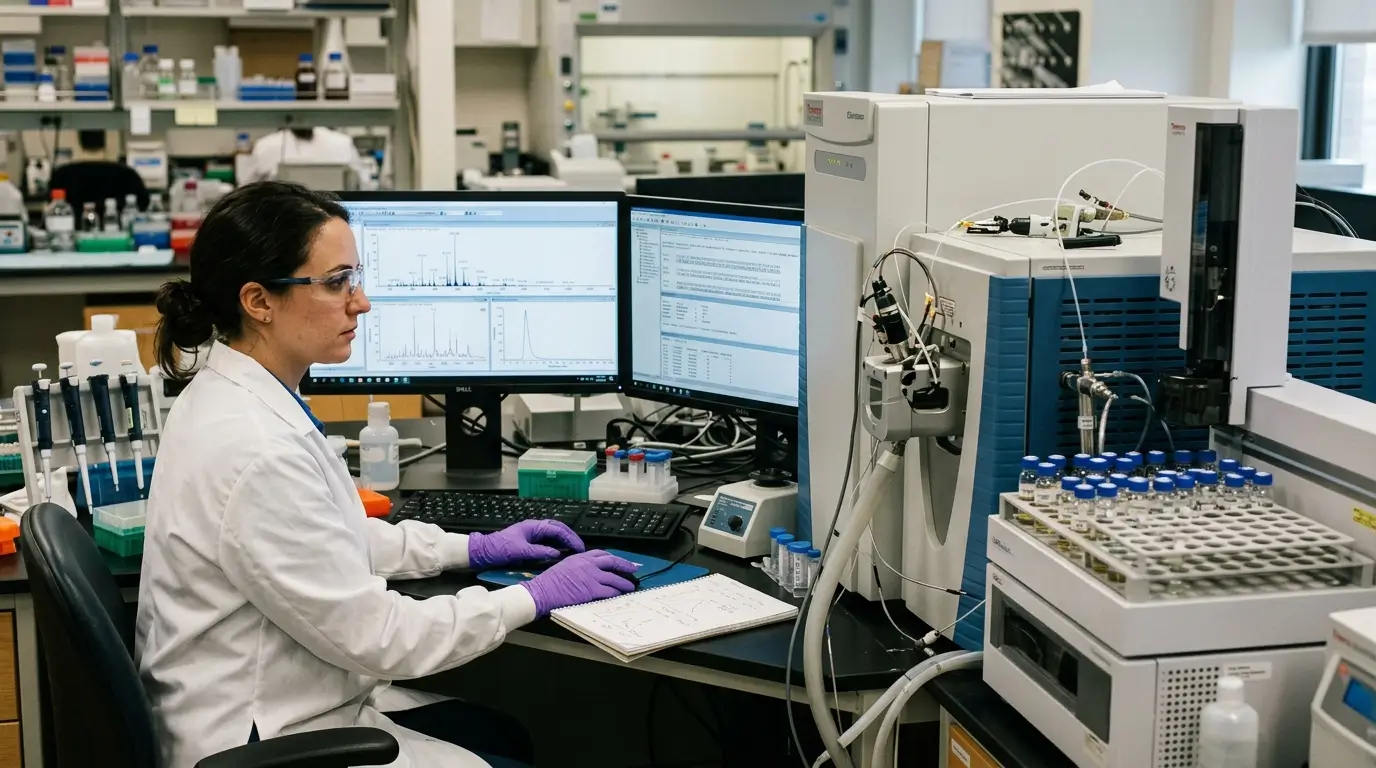
Analytical evaluation is essential when working with evolve peptides because sequence identity alone does not guarantee experimental reliability. Researchers need to know whether a peptide matches its expected mass, whether impurities are present, and whether degradation has occurred during storage or handling. Therefore, analytical methods for peptides are foundational to both routine quality control and advanced investigation. In many cases, these methods are the bridge between peptide synthesis techniques and meaningful laboratory peptide studies.
A typical analytical workflow combines mass-based confirmation with chromatographic separation. In addition, orthogonal methods may be used to assess specific impurities, aggregation, or chemical modifications. This layered approach improves confidence in data generated from preclinical peptide research.
Mass Spectrometry in Peptide Analysis
Mass spectrometry is one of the most widely used tools for evolve peptides because it provides direct information about molecular mass. By comparing observed signals with calculated values, researchers can verify the molecular weight of peptides and detect many common synthesis-related variants. For instance, deletion sequences, oxidation products, or incomplete deprotection artifacts may appear as distinct mass signals. Consequently, mass spectrometry is often the first identity check after synthesis.
Different ionization methods can be used depending on the sample and workflow. Matrix-assisted laser desorption ionization and electrospray ionization are both common in peptide analysis. However, interpretation still requires careful review, especially when salts, adducts, or multiple charge states complicate the spectrum. Thus, evolve peptides are usually evaluated alongside standards or expected theoretical patterns.
High-Performance Liquid Chromatography (HPLC)
HPLC is central to peptide purity analysis because it separates components in a mixture based on their interactions with the stationary phase and mobile phase. Reverse-phase HPLC is especially common for peptides, as it can resolve closely related impurities generated during synthesis. Accordingly, chromatograms provide a practical way to estimate purity and monitor lot-to-lot consistency.
Retention time alone does not prove identity, yet it offers useful comparative information. Researchers often pair HPLC with UV detection and mass spectrometry for stronger characterization. Furthermore, HPLC can be used to monitor stability under different peptide storage conditions by tracking new peaks over time.
Characterization Methods for Peptide Purity
Peptide purity analysis usually relies on more than one measurement. Besides HPLC and mass spectrometry, laboratories may use amino acid analysis, capillary electrophoresis, or spectroscopic methods depending on the research goal. In particular, orthogonal testing is useful when evolve peptides contain challenging modifications or closely related side products. This reduces the risk of overinterpreting a single analytical result.
A concise comparison is shown below:
Method | Main purpose |
|---|---|
Mass spectrometry | Confirm molecular mass and detect variants |
HPLC | Estimate purity and separate impurities |
Capillary electrophoresis | Resolve charged species |
UV spectroscopy | Support concentration assessment |
Amino acid analysis | Verify composition in selected workflows |
Because analytical rigor shapes downstream conclusions, evolve peptides should always be interpreted in light of their characterization profile. In summary, strong analytical practice improves reproducibility, batch comparison, and confidence in scientific peptide applications.
Mechanisms of Action: How Peptides Interact at the Molecular Level

Evolve peptides are studied not only as chemical entities but also as molecular participants in complex biological systems. Their interactions can involve receptors, enzymes, membranes, transport proteins, or nucleic acid-associated complexes. Because peptide structure can be adjusted with precision, researchers often use evolve peptides to examine how small sequence changes influence recognition and signaling. This makes them valuable in mechanistic research where cause-and-effect relationships must be tested carefully.
At the molecular level, peptide behavior depends on shape, charge distribution, flexibility, and local environment. For example, pH, ionic strength, and solvent composition can alter conformation or binding orientation. Therefore, laboratory peptide studies often combine biochemical assays with structural and analytical methods for peptides. Such integrated work helps clarify not just whether binding occurs, but how and under what conditions it occurs.
Biochemical Roles of Peptides
Peptides can serve many biochemical roles in research models. Some act as ligands that bind receptors, while others function as enzyme substrates, inhibitors, transport signals, or structural motifs. In addition, short peptide segments are often used to represent critical domains from larger proteins. Accordingly, evolve peptides can simplify a complex biological question into a more manageable experimental system.
This simplification is especially useful in preclinical peptide research. Investigators may test how a defined sequence interacts with a purified target, then compare that behavior in cell-based assays. However, findings from simplified systems have limits because isolated peptides do not always capture the full context of native proteins. Thus, researchers usually interpret peptide-based observations as model-dependent and preliminary.
Key biochemical roles often explored include:
Target recognition
Enzyme-substrate interaction
Signal motif representation
Competitive binding probes
Conformation-dependent interaction mapping
These roles show why evolve peptides remain useful in scientific peptide applications. Moreover, they allow researchers to dissect molecular events one variable at a time.
Peptide Binding and Interaction Studies
Binding studies aim to determine whether a peptide associates with a target and how strong or selective that association may be. Common methods include surface plasmon resonance, fluorescence polarization, isothermal titration calorimetry, and pull-down style assay formats. Each method offers different information, such as affinity, kinetics, or thermodynamic parameters. Consequently, evolve peptides are often tested across more than one platform to strengthen interpretation.
Sequence variation is a major advantage in this area. A single residue substitution can reveal whether a side chain contributes to electrostatic contact, hydrophobic packing, or hydrogen bonding. Likewise, truncation studies can identify minimal binding regions. Because of this, peptide synthesis techniques are closely linked to interaction studies, enabling rapid generation of rationally designed variants.
Researchers also monitor environmental factors during binding experiments:
Factor | Why it matters |
|---|---|
pH | Influences charge state and conformation |
Salt concentration | Alters electrostatic interactions |
Temperature | Affects kinetics and stability |
Solvent composition | Changes solubility and folding tendency |
Surface immobilization method | Can affect apparent binding behavior |
These variables are especially important when comparing evolve peptides across laboratories. Furthermore, they help explain why the same sequence may behave differently under different assay conditions.
Investigating Peptide Signaling Pathways
Many laboratory investigations use peptides to probe signaling events in cellular systems. A peptide may be studied for its ability to engage a receptor, alter downstream phosphorylation patterns, or modify transcriptional responses in vitro. However, signaling is rarely linear, and context matters greatly. Therefore, evolve peptides are often examined alongside controls that distinguish direct target engagement from secondary effects.
Researchers usually combine multiple readouts when studying signaling pathways. For instance, they may pair binding assays with reporter systems, phosphoprotein measurements, or imaging-based localization studies. In addition, time-course designs can help identify whether an observed response is immediate or delayed. This layered strategy improves the interpretation of evolve peptides in mechanistic settings.
Important considerations in signaling studies include:
Cell line or model system selection
Exposure duration in vitro
Target expression level
Off-target interaction screening
Stability under assay and peptide storage conditions
Because signaling data can be complex, conclusions are generally framed with caution. In conclusion, evolve peptides are powerful research tools for molecular investigation, yet their effects must be interpreted within the limits of the model, analytical quality, and experimental design.
Current and Emerging Applications of Peptides in Research
Evolve peptides are used across a wide range of scientific peptide applications, from basic molecular mapping to advanced material design. Their appeal lies in modularity, as researchers can alter sequence, length, and chemical features while preserving a defined experimental framework. Because of this flexibility, evolve peptides appear in many laboratory peptide studies involving assay development, structure-function analysis, and preclinical peptide research. The field continues to expand as analytical methods for peptides become more sensitive and synthesis platforms become more efficient.
Current applications are not limited to one discipline. Instead, peptides are used in biochemistry, cell biology, analytical chemistry, and biomaterials research. Moreover, interdisciplinary work is increasing, especially where peptide synthesis techniques can be paired with imaging tags, linkers, or surface conjugation strategies. These developments are shaping the next generation of evolve peptides for experimental use.
Utilization of Peptides in Preclinical Studies
Preclinical peptide research often uses peptides as controlled molecular probes in nonclinical models. Researchers may investigate target engagement, distribution in assay systems, stability under defined conditions, or structure-activity relationships. For example, a peptide panel can be used to compare how sequence variants influence binding to a purified protein or a cultured cell target. However, such findings remain model-specific and should be interpreted as preliminary.
Preclinical work also benefits from the scalability of synthetic design. Once a sequence is defined, additional variants can be produced for comparison with relatively small structural changes. Consequently, evolve peptides are well suited to iterative testing strategies where one variable is changed at a time. This supports cleaner hypothesis testing than broader, less defined molecular systems.
Common preclinical research uses include:
Target validation in biochemical assays
Comparative sequence optimization
Stability screening under controlled conditions
Labeling for tracking in research systems
Reference standards for analytical workflows
These uses highlight why a detailed research peptides catalog is valuable. In addition, batch-level data such as molecular weight of peptides and peptide purity analysis can improve cross-study consistency.
Peptides in In Vitro Research Conditions
In vitro systems are among the most common environments for evolve peptides. Cell-free assays, cultured cells, membrane preparations, and immobilized target platforms all provide controlled settings for studying molecular interactions. Because variables can be tightly managed, in vitro work is often the first step in evaluating a new peptide sequence. Accordingly, researchers can compare multiple evolve peptides in parallel using standardized readouts.
Several technical factors influence peptide behavior in vitro. Solubility, adsorption to plastics, aggregation tendency, and degradation in media can all affect interpretation. Therefore, peptide storage conditions and handling records are important even before an assay begins. Researchers often document buffer composition, temperature exposure, and freeze-thaw history to reduce unexplained variability.
A practical overview is shown below:
In vitro factor | Potential effect on peptide study |
|---|---|
Buffer composition | Alters solubility and conformation |
Surface binding | Can reduce free peptide concentration |
Enzymatic degradation | Shortens peptide lifetime |
Temperature shifts | Changes stability profile |
Light exposure | May affect labeled constructs |
Because in vitro systems are controlled, they are useful for comparing peptide variants systematically. Nevertheless, these systems do not capture every aspect of complex biological environments.
Innovative Chemical Modification Techniques
Chemical modification is one of the most active areas in evolve peptides research. Scientists frequently alter peptides to improve analytical traceability, conformational control, or compatibility with specialized assays. For instance, fluorescent labels can support imaging experiments, while isotopic tags can improve mass spectrometric detection. Likewise, cyclization and stapling strategies may influence rigidity and resistance to certain degradation pathways in research settings.
Other modifications focus on conjugation. A peptide may be linked to a solid support, polymer, lipid-like moiety, or reporter group depending on the experimental purpose. Because each change can alter the molecule's behavior, modification work is usually paired with fresh peptide purity analysis and identity confirmation. This is why analytical methods for peptides remain tightly connected to innovation in design.
Frequently studied modification approaches include:
N-terminal or C-terminal labeling
Cyclization
Stapling strategies
Non-natural amino acid incorporation
Linker-based conjugation
Isotopic enrichment for analytical use
These methods expand what evolve peptides can do in the laboratory. Furthermore, they allow researchers to tailor a sequence to a specific assay instead of forcing one format into every application. As peptide chemistry advances, new modifications are likely to improve stability tracking, multiplexed detection, and surface-specific interactions in scientific peptide applications.
Future Directions in Peptide Research
Evolve peptides are likely to remain a major focus of scientific investigation because they sit at the intersection of programmable chemistry and functional biology. Their future development will depend on better synthesis, deeper analytical resolution, and more predictive experimental models. As laboratories generate larger sequence datasets, evolve peptides may also benefit from computational design and automated screening. Therefore, the field is moving toward faster iteration with stronger data integration.
This future is not defined by one single breakthrough. Instead, progress is expected to come from many coordinated improvements, including cleaner peptide synthesis techniques, enhanced peptide purity analysis, and more standardized reporting in research peptides catalog systems. These changes could make laboratory peptide studies more reproducible across institutions and platforms.
Trends in Peptide Application Areas
One major trend is the expansion of peptides into increasingly specialized research niches. Beyond classical receptor and enzyme studies, evolve peptides are now explored in biomaterials, diagnostics-oriented assay development, molecular imaging research, and surface engineering. In addition, peptide libraries are being used to map interaction motifs at scale. This broadening of scope reflects the adaptability of peptide chemistry.
Another trend involves integration with high-throughput tools. Researchers can now screen many peptide variants more efficiently than in earlier decades. Consequently, sequence-function relationships can be explored with greater depth. However, larger datasets also require stronger analytical methods for peptides and clearer metadata standards.
Current trend areas include:
Library-based screening
Multiplex analytical workflows
Peptide-enabled surface studies
Hybrid peptide-material systems
Data-rich structure-function mapping
These directions suggest that evolve peptides will continue to support both foundational and highly specialized research questions.
Potential Advances in Peptide Technology
Technological advances are likely to improve every stage of peptide research. Automated synthesis systems may reduce variability and accelerate production of complex variants. Meanwhile, new purification and characterization tools could provide more detailed impurity profiles and stability maps. As a result, evolve peptides may become easier to compare across batches and research sites.
Computational methods are also expected to play a larger role. Sequence modeling, structural prediction, and machine learning-assisted optimization may help researchers prioritize which variants to synthesize first. Likewise, integrated databases could connect molecular weight of peptides, retention behavior, and functional assay outcomes in searchable formats. Such systems would make a research peptides catalog more informative than a simple product listing.
Potential advances include:
Technology area | Likely impact |
|---|---|
Automated synthesis | Faster production and sequence iteration |
High-resolution analytics | Better impurity and degradation detection |
Predictive modeling | Smarter sequence selection |
Digital catalog systems | Improved traceability and comparison |
Miniaturized assays | Lower material use in screening |
These developments may increase efficiency, yet rigorous validation will still be necessary. In fact, better tools often reveal new complexities rather than removing them entirely.
Ethical Considerations in Peptide Research
Ethical discussion is important in peptide science because advanced molecular tools can be misunderstood or misrepresented outside proper laboratory contexts. For that reason, evolve peptides should be presented with clear educational framing and accurate technical limits. Researchers, suppliers, and publishers share responsibility for avoiding misleading claims or inappropriate usage implications. Accordingly, transparent communication matters as much as technical quality.
Ethics also includes data integrity and model transparency. If findings come from in vitro systems or nonclinical models, those limits should be stated plainly. Furthermore, documentation of peptide storage conditions, analytical methods for peptides, and peptide purity analysis supports honest interpretation. Without such details, scientific claims become harder to evaluate.
Important ethical priorities include:
Clear laboratory-only positioning
Accurate reporting of model limitations
Transparent analytical documentation
Avoidance of exaggerated claims
Respect for institutional and regulatory standards
In summary, the future of evolve peptides looks promising, but progress should be guided by careful science, precise language, and responsible communication.