Collagen vs. Collagen Peptides: Understanding the Key Differences and Research Insights
Introduction to Collagen and Collagen Peptides
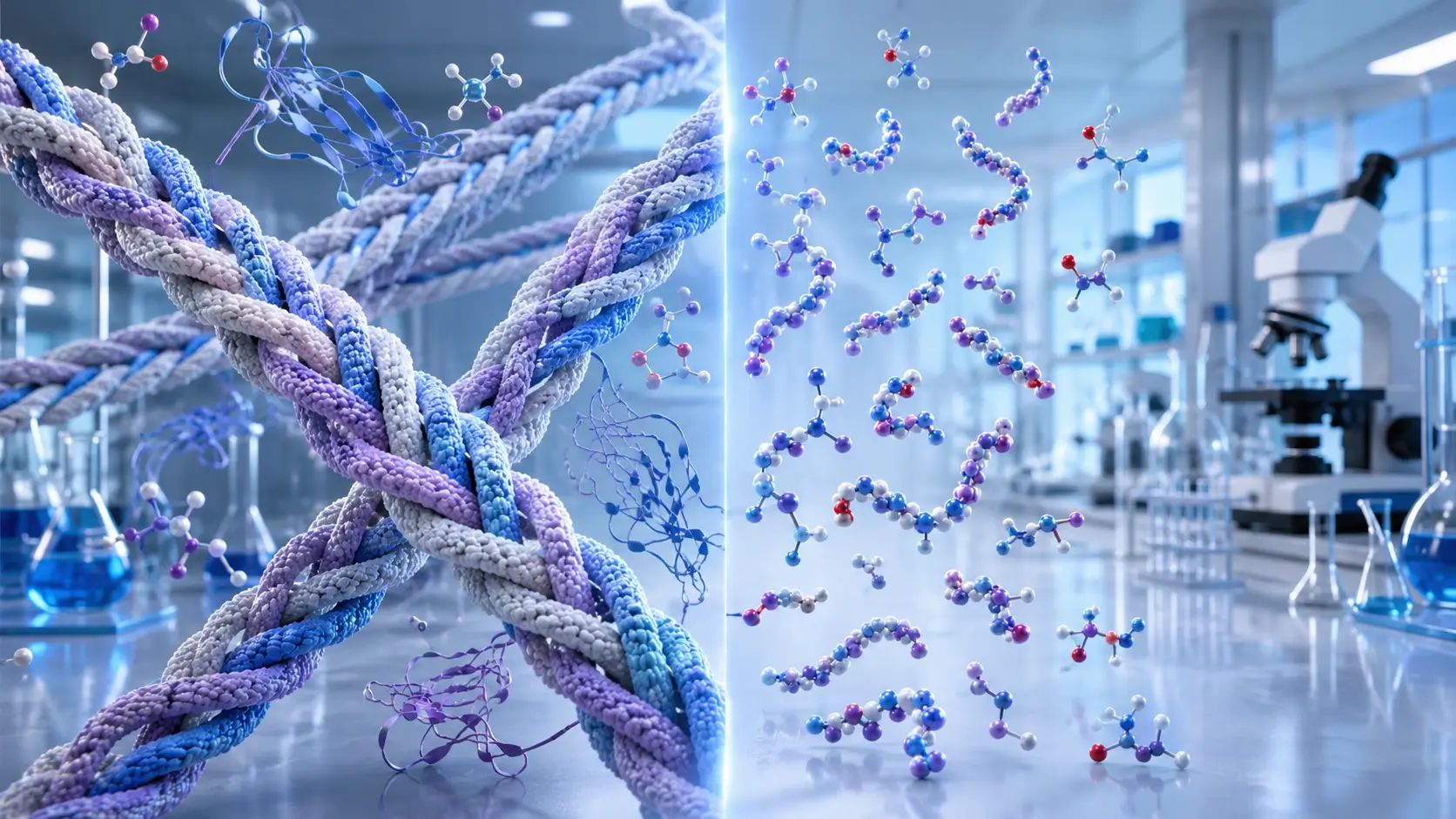
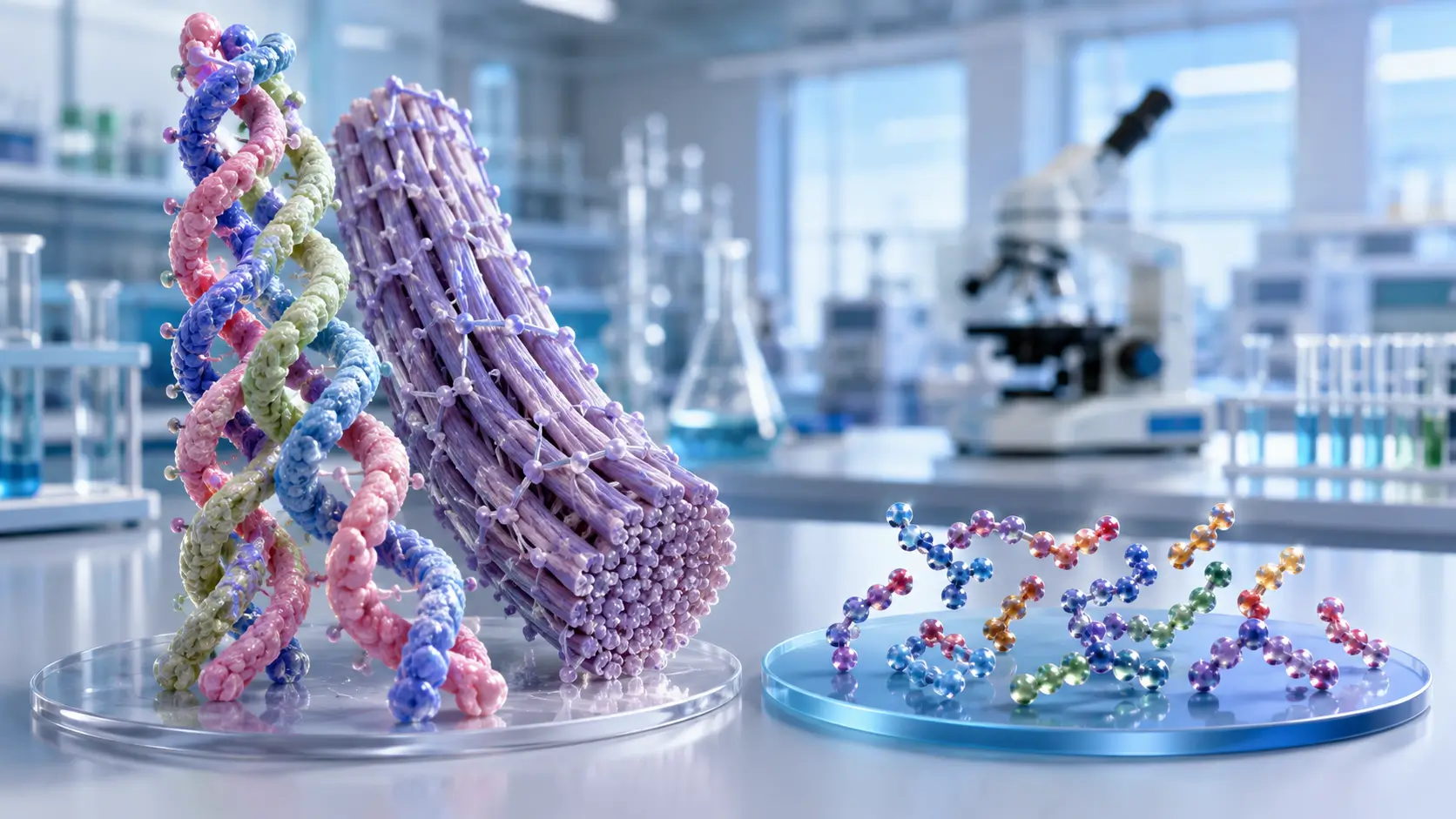
Collagen vs collagen peptides is a common comparison in laboratory education because the two materials are related but not identical. Collagen is a structural protein with a highly organized triple-helix arrangement, while collagen peptides are smaller fragments generated from controlled hydrolysis of collagen. In other words, the comparison centers on size, structure, processing, and how each material is evaluated in scientific work.
For beginners, collagen structure can seem abstract at first. However, the distinction becomes clearer when researchers look at protein architecture and sample behavior in analytical systems. Native collagen usually appears as a large, fibrous macromolecule, whereas peptide preparations contain shorter chains with lower average molecular weight. Consequently, the handling, testing, and interpretation of these materials differ across research settings.
This topic also appears often in discussions of peptide sequence analysis and analytical methods for peptides. Researchers may compare intact collagen with hydrolyzed peptide fractions to understand composition, solubility, and batch variation. Moreover, the phrase collagen vs collagen peptides is relevant when reviewing preclinical literature, material sourcing, and in vitro assay design.
For laboratory research use only. Not intended for use in humans or animals. Not intended to diagnose, treat, cure, or prevent any disease.
Significance in Scientific Research
The scientific interest in collagen vs collagen peptides extends across biomaterials, protein chemistry, tissue models, and food science research. Collagen structure provides a useful model for studying extracellular matrix organization, while peptide preparations are often examined for composition, transport characteristics, and interaction with assay systems. Accordingly, the comparison is not merely semantic, it shapes experimental planning.
Collagen peptide research often focuses on hydrolysis profiles, amino acid distribution, and lot-to-lot consistency. Meanwhile, collagen synthesis studies may examine how native collagen is assembled in biological systems or how collagen-rich matrices behave under controlled conditions. These areas overlap, yet they answer different questions.
Researchers also rely on collagen purity testing to verify sample quality before downstream work. For example, sodium dodecyl sulfate polyacrylamide gel electrophoresis, mass spectrometry, amino acid analysis, and chromatographic methods can help characterize both collagen and peptide products. Therefore, understanding collagen vs collagen peptides supports better method selection and clearer reporting.
Research focus | Native collagen | Collagen peptides |
|---|---|---|
Primary form | Fibrous protein | Hydrolyzed fragments |
Typical interest | Structure and matrix behavior | Composition and fragment profile |
Common testing | Structural and purity assays | Peptide mapping and molecular size analysis |
Research context | Biomaterials and matrix studies | Hydrolysate and peptide characterization |
Purpose of the Comparison
The purpose of comparing collagen vs collagen peptides is to separate related concepts that are frequently blended together in casual discussion. Native collagen and peptide hydrolysates originate from the same broad protein family, yet they differ in conformation, molecular weight of collagen-related materials, and analytical behavior. Because of this, one term should not automatically substitute for the other in scientific writing.
A clear comparison also helps readers interpret research on collagen peptides without overstating what the data show. Many publications use in vitro systems or animal models, and those findings are preliminary. Nevertheless, such studies remain useful for examining hydrolysis chemistry, peptide transport, and matrix interactions under controlled conditions.
When discussing collagen vs collagen peptides, it is helpful to keep three questions in mind:
What structural form is being studied?
Which analytical methods for peptides or proteins were used?
What model, such as in vitro or animal research, supports the conclusion?
By framing the topic this way, beginners can read the literature more critically. Furthermore, experienced researchers can communicate sample identity and study limits with greater precision.
Defining Collagen
What is Collagen?
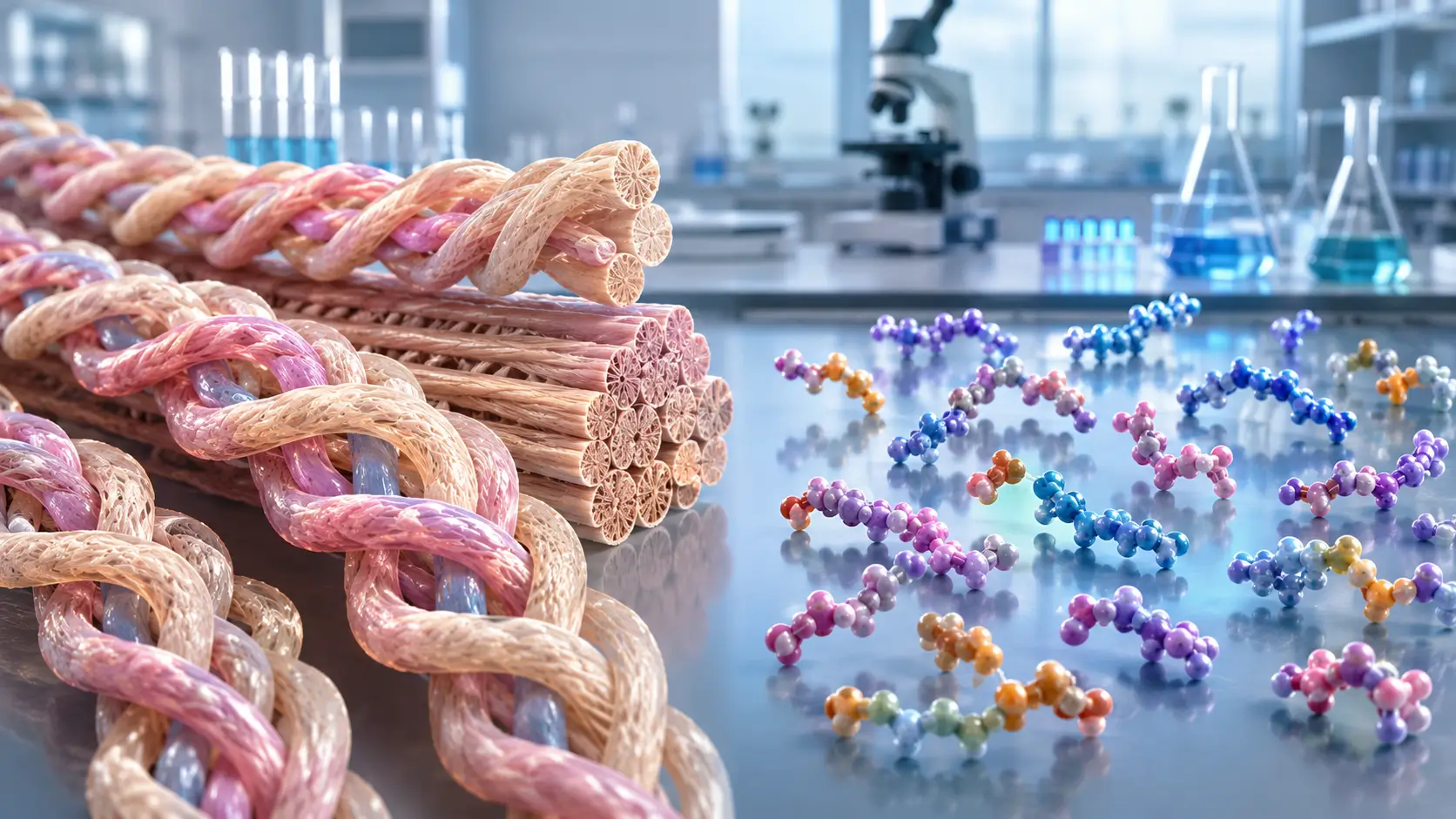
Collagen is a major structural protein found throughout animal tissues, and it is characterized by a distinctive triple-helical arrangement of polypeptide chains. The repeating amino acid motif, often rich in glycine, proline, and hydroxyproline, contributes to the stability of collagen structure. Unlike many globular proteins, collagen forms elongated fibrils and networks that support tissue architecture.
In the context of collagen vs collagen peptides, native collagen refers to the intact or relatively intact protein before extensive hydrolysis. This distinction matters because intact collagen behaves differently in extraction systems, thermal analysis, and structural assays. For instance, its higher-order organization can be examined through microscopy or spectroscopic methods that are less informative for short peptide mixtures.
Collagen is not a single uniform substance. Instead, multiple collagen types have been identified, each associated with specific tissues and functions. Type I collagen is common in skin, tendon, and bone matrices, while other types contribute to cartilage, basement membranes, and specialized connective structures. Accordingly, sample source and collagen type should be reported whenever possible.
A simple overview of collagen features is helpful for beginners:
It is a fibrous protein rather than a small peptide
It contains a triple-helix motif
It is rich in glycine, proline, and hydroxyproline
It can form fibrils, fibers, or network-like assemblies
It varies by type, source, and extraction method
Biological Functions of Collagen
Collagen serves as a core structural component in extracellular matrices. It helps organize tissue scaffolding, supports mechanical integrity, and contributes to the physical arrangement of cells within many biological systems. However, the exact function depends on the collagen type, tissue location, and surrounding matrix components.
In collagen synthesis studies, researchers often investigate how procollagen is produced, modified, secreted, and assembled into mature fibrils. These processes involve enzymatic steps and post-translational modifications that influence final collagen structure. Consequently, native collagen is often discussed not only as a material but also as a biosynthetic product with tightly regulated assembly pathways.
From a research perspective, collagen is also important in cell culture and biomaterial design. Collagen-coated surfaces, gels, and matrices are commonly used in collagen in vitro studies to evaluate attachment patterns, matrix remodeling, or scaffold properties. Nevertheless, the interpretation of such work depends strongly on collagen source, concentration, and degree of denaturation.
Function in research context | Why it matters |
|---|---|
Matrix support | Helps model extracellular environments |
Structural organization | Allows study of fibril formation and assembly |
Surface coating | Used in controlled in vitro systems |
Biomaterial component | Examined in scaffold and material science research |
Sources of Collagen in Nature
Collagen is widely distributed in animal-derived tissues. Common research sources include bovine, porcine, marine, and avian materials, although the exact source depends on the application and supply chain. Moreover, source selection can affect amino acid composition, impurity profile, extraction yield, and final analytical characteristics.
Marine collagen has received attention in some laboratories because it can differ in thermal properties and extraction behavior compared with mammalian collagen. On the other hand, bovine and porcine sources have long been used in many protein and biomaterial studies. Therefore, the phrase collagen vs collagen peptides should always be interpreted in light of source material as well as processing history.
Researchers evaluating source materials often consider:
Tissue origin, such as skin, tendon, cartilage, or bone
Extraction method, including acid or enzymatic processing
Species-related composition differences
Collagen purity testing data
Storage and handling records
Because natural sources introduce variability, documentation is essential. Furthermore, peptide sequence analysis and molecular profiling become especially important after hydrolysis, when source-specific features may be less visually obvious than in intact collagen preparations.
Understanding Collagen Peptides
What are Collagen Peptides?
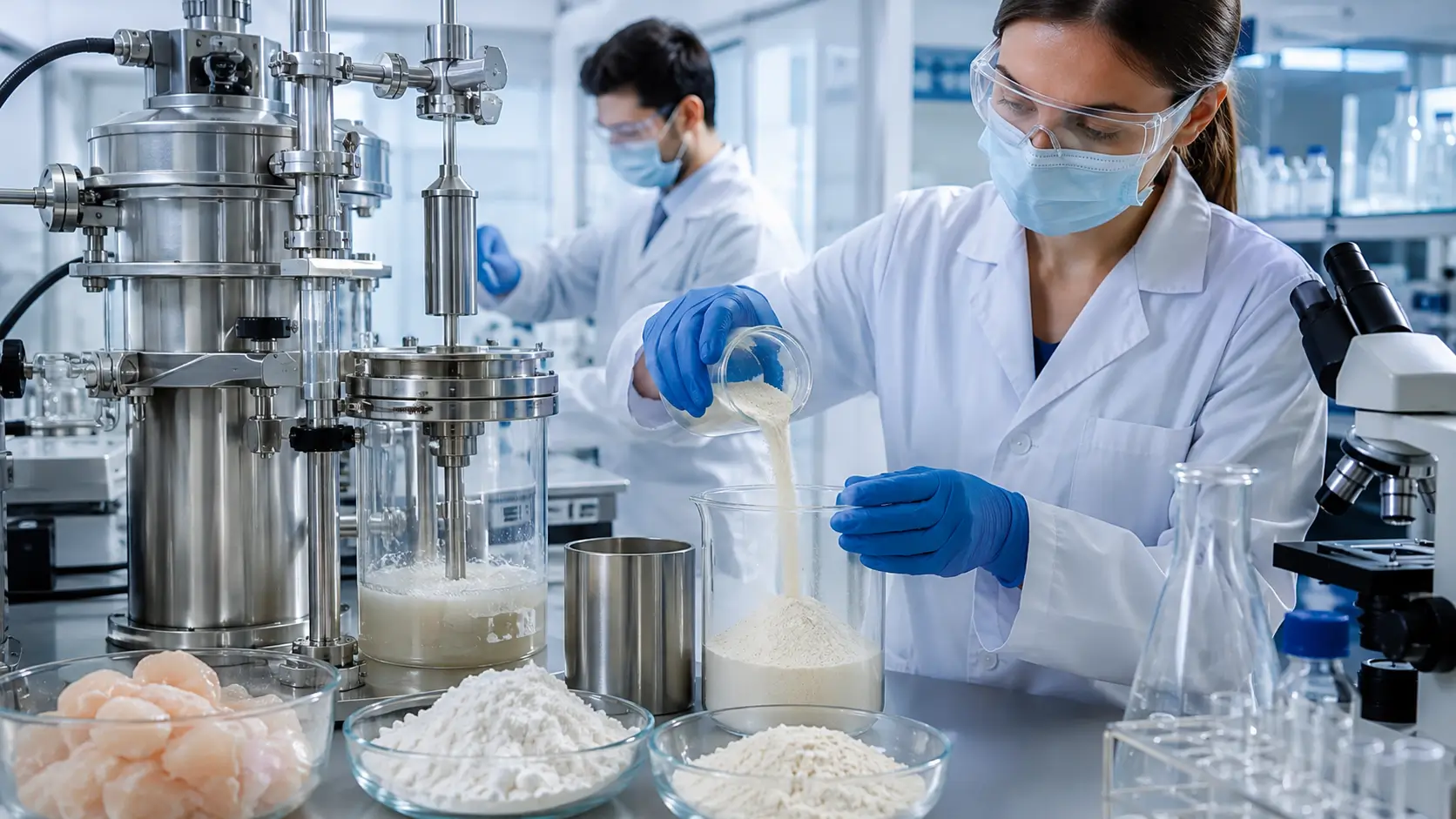
Collagen peptides are shorter chains derived from the hydrolysis of native collagen. During this process, the large structural protein is broken into smaller fragments with lower average molecular weight. As a result, collagen peptides differ from intact collagen in size distribution, solubility characteristics, and analytical profile.
When discussing collagen vs collagen peptides, the peptide form is best understood as a processed derivative rather than a separate biological class of protein. The starting material is still collagen, yet hydrolysis alters the higher-order arrangement and produces a mixture of peptide fragments. Therefore, the final preparation no longer retains the full fibrillar architecture associated with native collagen structure.
Collagen peptide research often focuses on fragment composition rather than fibril formation. Researchers may investigate average chain length, hydrolysis degree, and peptide sequence analysis to characterize a preparation. In fact, peptide products are usually described by molecular weight ranges, chromatographic fingerprints, and purity-related specifications rather than by intact fibril morphology.
Key features of collagen peptides include:
Derived from hydrolyzed collagen
Lower molecular weight than native collagen
Reduced higher-order structural organization
Often analyzed as mixtures rather than single sequences
Commonly characterized by chromatography and mass spectrometry
Production and Formulation Processes
Collagen peptides are generally produced through controlled hydrolysis of extracted collagen. This may involve enzymatic treatment, thermal processing, acid exposure, or combinations of these methods, depending on the research objective and manufacturing design. However, the exact process strongly influences fragment size and batch composition.
In collagen vs collagen peptides comparisons, hydrolysis is the central transformation. Native collagen contains long chains organized into stable structural assemblies, while hydrolysis disrupts that arrangement and generates smaller peptide fractions. Consequently, the same source material can yield very different research samples depending on processing intensity and purification steps.
Production workflows often include several technical stages:
Stage | General purpose |
|---|---|
Source preparation | Isolate collagen-rich material |
Extraction | Recover collagen from tissue matrix |
Hydrolysis | Reduce chain length into peptide fractions |
Filtration or fractionation | Narrow size distribution |
Drying and packaging | Stabilize material for storage and analysis |
Collagen purity testing is also relevant after hydrolysis. Although peptide mixtures may appear uniform in powder form, they can still vary in residual salts, ash content, moisture, or non-collagen proteins. Additionally, analytical methods for peptides such as size-exclusion chromatography, liquid chromatography, and mass spectrometry help define the final preparation more precisely.
Research on Collagen Peptides
Research on collagen peptides spans food chemistry, biomaterials, analytical biochemistry, and preclinical model systems. Many studies investigate hydrolysate composition, peptide transport across model membranes, or interactions in cell-based assays. Nevertheless, these findings are highly dependent on the peptide mixture tested.
Collagen peptide research often uses in vitro systems to explore how peptide fractions behave under controlled laboratory conditions. For example, researchers may compare low and high molecular weight fractions, examine peptide stability after enzymatic digestion, or assess sequence-specific enrichment. Such work is valuable because it clarifies what is present in a sample before broader conclusions are attempted.
A recurring issue in research on collagen peptides is incomplete reporting. Some publications identify the source species and hydrolysis method clearly, while others provide only limited information about molecular weight of collagen-derived fragments or peptide sequence analysis. Accordingly, careful readers should look for details on source, processing, analytical methods, and study model before comparing datasets.
Common areas in collagen peptide research include:
Fractionation by molecular size
Amino acid composition studies
Mass spectrometric peptide profiling
Collagen in vitro studies using peptide preparations
Comparative hydrolysis and purity assessments
Because the literature includes mixed methods and variable reporting quality, interpretation requires caution. Furthermore, peptide mixtures from different suppliers or protocols should not be assumed equivalent without supporting analytical data.
Key Differences Between Collagen and Collagen Peptides
Structural Variations
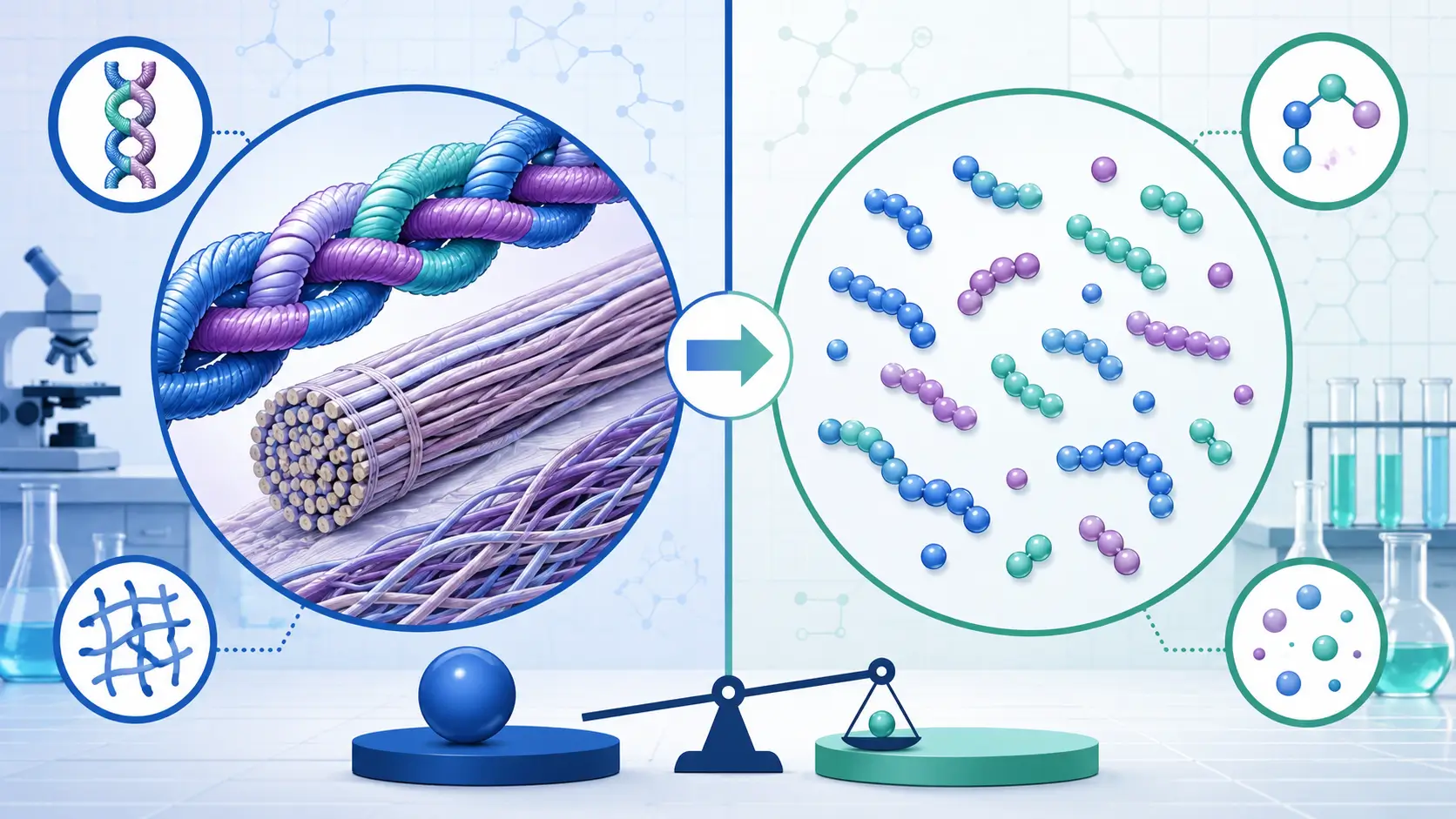
The most fundamental point in collagen vs collagen peptides is structural form. Native collagen is a large fibrous protein with triple-helical organization and the capacity to assemble into fibrils or related matrix structures. By contrast, collagen peptides are hydrolyzed fragments that generally lack the intact supramolecular architecture of the original protein.
This difference affects how each material behaves in solution, in gels, and on analytical platforms. Intact collagen may retain structural motifs that support fibril formation under certain conditions, whereas peptide mixtures are more often treated as soluble fragments. Therefore, collagen structure is central to distinguishing the two.
For beginners, a simple contrast can help:
Native collagen, organized, fibrous, high-order structure
Collagen peptides, fragmented, lower-order structure, mixed chain lengths
Peptide sequence analysis becomes more relevant after hydrolysis because the preparation contains many shorter fragments. Meanwhile, studies of native collagen often emphasize helix stability, fibril assembly, and matrix organization. Consequently, the phrase collagen vs collagen peptides should always imply a structural comparison, not merely a naming preference.
Molecular Weight Considerations
The molecular weight of collagen is much higher than that of collagen peptides. Native collagen molecules are large and complex, while peptide products contain shorter chains with lower average mass and broader distribution ranges. In practical terms, this is one of the clearest measurable differences between the two materials.
In collagen vs collagen peptides research, molecular weight data are often generated using size-exclusion chromatography, electrophoretic methods, or mass spectrometry. However, reported values can vary because hydrolyzed preparations are mixtures rather than single uniform entities. Accordingly, researchers should note whether a study reports average molecular weight, range, or fraction-specific values.
The table below summarizes this distinction:
Feature | Collagen | Collagen peptides |
|---|---|---|
General size | Large protein | Smaller fragments |
Distribution | More structurally defined | Often broad mixture |
Analytical focus | Intact chain and fibril properties | Fragment range and peptide profile |
Typical reporting | Type, source, structural state | Average molecular weight and fractionation data |
Because molecular weight shapes diffusion, filtration behavior, and chromatographic separation, it influences experimental design. Moreover, comparisons across studies are more meaningful when molecular size data are reported alongside source and processing information.
Absorption Mechanisms in Biological Systems
In the context of collagen vs collagen peptides, discussions of absorption mechanisms should remain limited to general biological and experimental observations rather than human-use claims. Smaller peptide fragments may move differently across model membranes or within digestive simulation systems than intact collagen. However, these patterns depend on the model used and the composition of the tested preparation.
Collagen in vitro studies sometimes use cell layers, simulated digestion systems, or transport assays to compare intact protein material with hydrolyzed peptide fractions. For instance, lower molecular weight mixtures may show different passage behavior in laboratory models than larger structural proteins. Nevertheless, such findings are model-specific and should not be generalized beyond the reported conditions.
Researchers examining these mechanisms often consider:
Molecular size distribution
Enzymatic breakdown patterns
Solubility under test conditions
Sequence composition of peptide fractions
Assay limitations and matrix effects
Therefore, absorption-related comparisons in collagen peptide research are best framed as exploratory. Because the available data often come from preclinical or in vitro systems, conclusions should remain narrow and technically grounded.
Research Comparisons and Applications

Overview of Preclinical Studies
Preclinical comparisons of collagen vs collagen peptides commonly include in vitro assays, simulated digestion models, and animal-based exploratory work. These studies often examine protein breakdown, peptide transport, matrix interactions, or biomaterial behavior. However, they differ widely in source material, hydrolysis method, and analytical depth.
Collagen synthesis studies may focus on how collagen is produced and assembled in biological systems, while collagen peptide research may emphasize fragment characterization after hydrolysis. Although both fields involve related molecules, the underlying research questions are not identical. Consequently, literature comparisons should be made carefully.
A useful reading strategy is to identify the model first. For example, a cell culture assay, a biochemical digestion simulation, and an animal model each provide different kinds of evidence. Furthermore, preliminary findings in one system do not automatically translate to another.
Applications in Laboratory Settings
Collagen and collagen peptides have distinct roles in laboratory workflows. Native collagen is often used in matrix-based experiments, coatings, scaffold studies, and structural analyses. On the other hand, peptide preparations are more commonly examined in solubility studies, fractionation work, transport models, and compositional assays.
In collagen vs collagen peptides comparisons, the intended laboratory application often determines which material is more appropriate for study. If the objective is to evaluate fibrillar organization or matrix mechanics, native collagen is generally the relevant material. Conversely, if the objective is to investigate hydrolysate composition or peptide sequence analysis, peptide fractions are the better fit.
Examples of laboratory applications include:
Laboratory context | More commonly studied material |
|---|---|
Extracellular matrix modeling | Collagen |
Fibril formation analysis | Collagen |
Hydrolysate profiling | Collagen peptides |
Molecular size fractionation | Collagen peptides |
Analytical methods for peptides | Collagen peptides |
Beside application fit, sample characterization remains essential. Collagen purity testing, source verification, and storage documentation all affect reproducibility. Therefore, even routine laboratory use requires clear material records.
Limitations of Current Research
Current research on collagen peptides and native collagen has several limitations. First, many studies use differently processed materials, making direct comparison difficult. Second, reporting on molecular weight of collagen-derived fractions, source tissue, and hydrolysis conditions is sometimes incomplete.
Another challenge in collagen vs collagen peptides literature is terminology inconsistency. Some authors use broad labels such as hydrolyzed collagen, collagen hydrolysate, or collagen peptides without fully distinguishing the preparation. As a result, readers may compare studies that are not actually examining equivalent materials.
Important limitations to keep in mind include:
Variable source species and tissues
Inconsistent hydrolysis and purification methods
Limited peptide sequence analysis in some reports
Uneven use of collagen purity testing
Heavy reliance on preclinical models
In summary, the evidence base is informative but heterogeneous. Accordingly, future work will benefit from standardized reporting, better analytical characterization, and more transparent definitions of sample identity.
Conclusion and Future Directions in Collagen Research
Summary of Key Findings
Collagen vs collagen peptides is fundamentally a comparison between an intact structural protein and its hydrolyzed fragments. Native collagen is defined by its triple-helical collagen structure and matrix-forming capacity, while collagen peptides are smaller processed fragments with lower molecular weight and distinct analytical behavior. Therefore, the two terms should not be used interchangeably in scientific writing.
Throughout this overview, several themes remain consistent. Collagen purity testing, peptide sequence analysis, and analytical methods for peptides are essential for accurate sample characterization. Additionally, source material, hydrolysis process, and study model all shape how research findings should be interpreted.
Potential Future Areas of Study
Future work in collagen peptide research will likely focus on improved standardization and deeper molecular profiling. For instance, more studies may combine chromatography, mass spectrometry, and sequence-resolved analysis to define peptide mixtures with greater precision. Likewise, better reporting standards could help researchers compare datasets across laboratories.
Another important direction involves clearer integration of collagen synthesis studies with hydrolysate characterization. Although these fields are related, they often proceed separately in the literature. Consequently, linking biosynthetic understanding with downstream peptide analysis may provide a more complete picture of collagen-derived materials.
Potential research priorities include:
Standardized reporting for collagen vs collagen peptides
Better molecular weight classification systems
Expanded peptide sequence analysis workflows
More transparent collagen purity testing criteria
Improved comparability across collagen in vitro studies
Implications for Laboratory Research
For laboratory teams, the main implication is straightforward. Material identity must come first when planning or interpreting experiments involving collagen vs collagen peptides. A sample labeled simply as collagen may differ substantially from a peptide hydrolysate in structure, size, and experimental behavior.
In conclusion, careful terminology and rigorous characterization support stronger research design. Because research on collagen peptides continues to expand, laboratories will benefit from precise documentation, model-specific interpretation, and consistent analytical standards. For laboratory research use only. Not intended for use in humans or animals.